River’s Edge Pet Medical Center
Fully staffed for routine and urgent veterinary care
New Clients
Prescription Request
How Did We Do?
About Rivers Edge Pet Medical Center
Drs. David and Leah Gray are glad to be back in their hometown and to welcome you to River’s Edge Pet Medical Center. We are located in the North Albany Plaza in the IGA parking lot. Our facility is a full-service veterinary practice for both small animal and equine patients, and we provide routine & and urgent care services. Our goal is to provide a lifetime of quality healthcare for your best friend and family pet.
Our Veterinary Services
Small Animal Services
Our veterinary hospital offers wellness exams, vaccinations, preventative care, microchipping, dental care, surgery, cold laser therapy, digital imaging, on-site lab, ultrasound, and urgent care services.
Equine Services
Equine Services include wellness and preventative care, dentistry, surgery, on-site lab services, pre-purchase exams, acupuncture, hospitalization, cold laser therapy, regenerative medicine, neonatal intensive care, internal medicine, and lameness evaluation consultation and treatment.
Farm Animal Services
Our comprehensive Farm Animal Services include preventative care, tailored vaccination plans and comprehensive medical services, customized to suit the specific requirements of your farm. Trust us to keep your farm animals healthy and thriving.
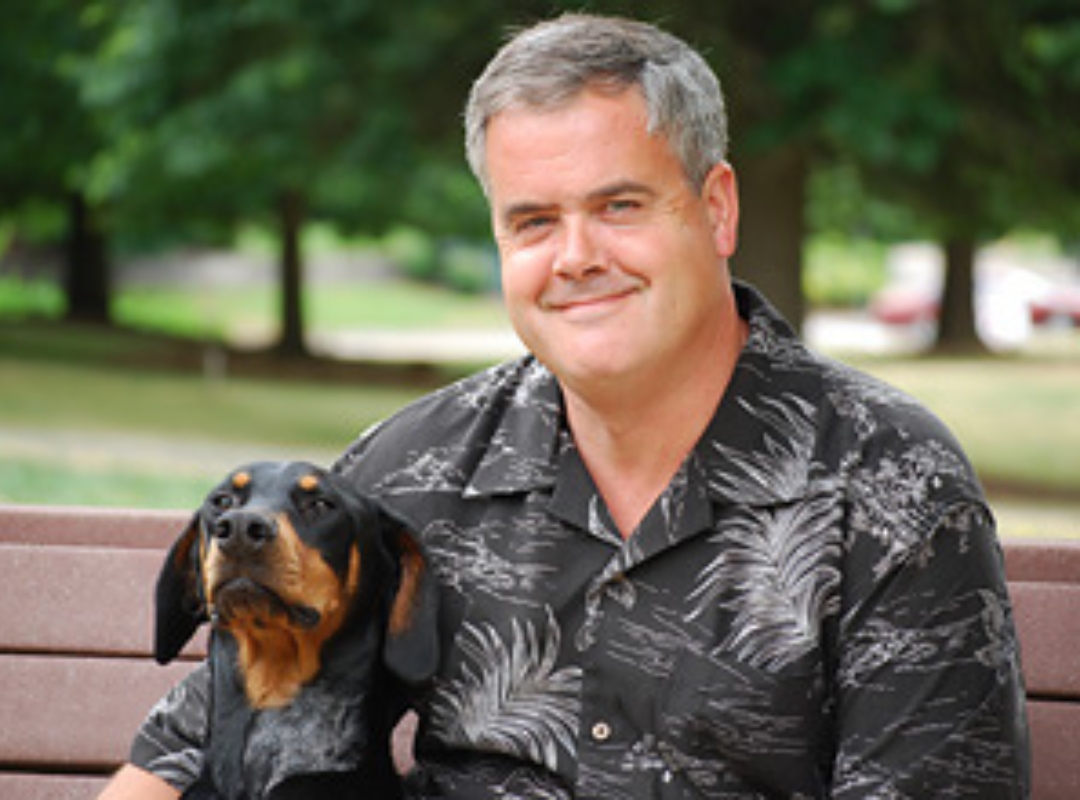
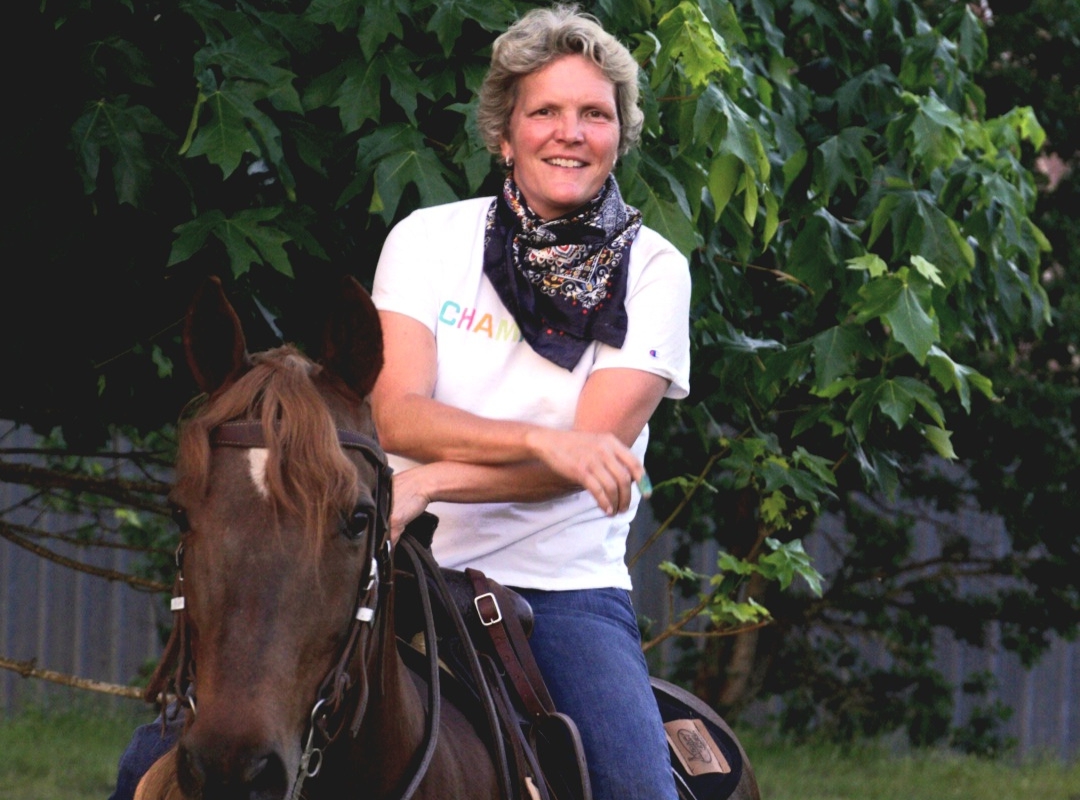
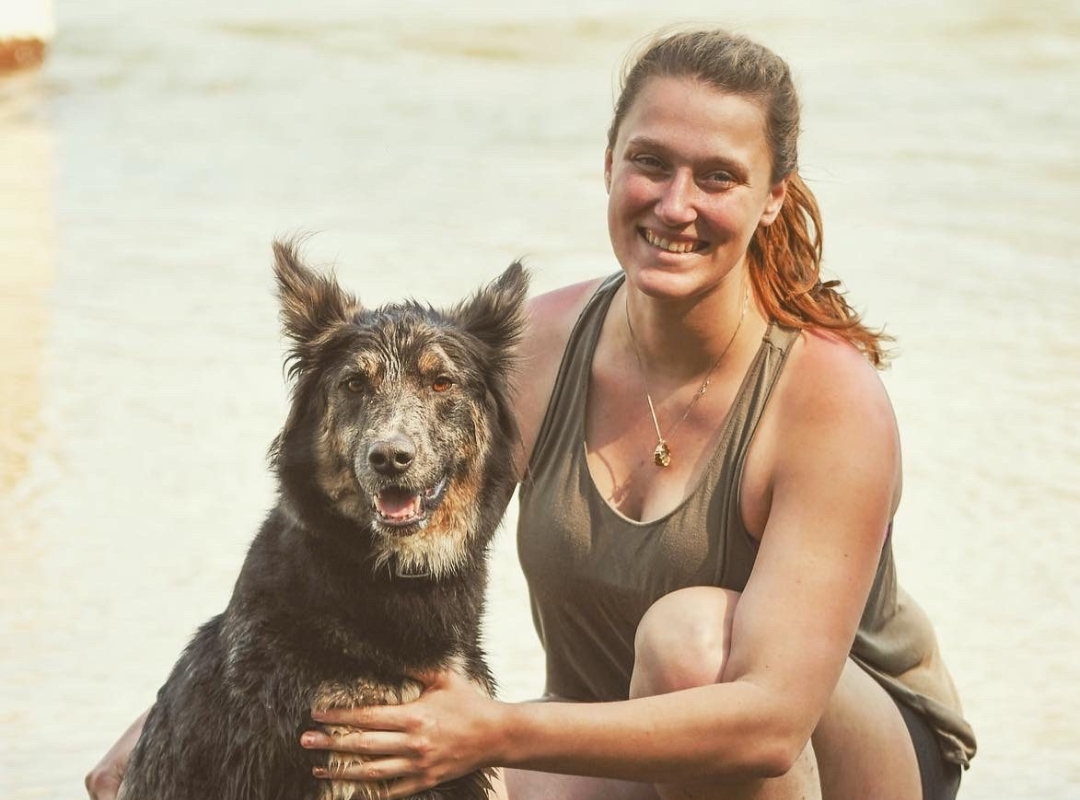
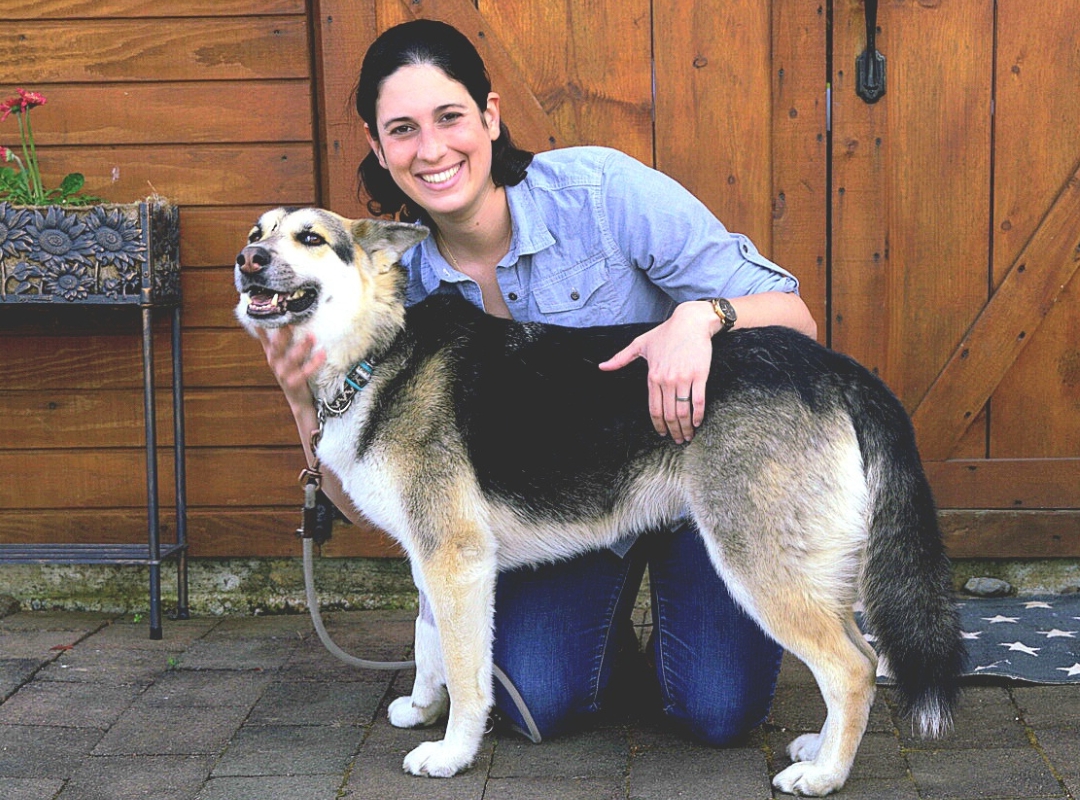
Meet Our Veterinary Team
At River’s Edge Pet Medical Center, we are proud of our dedicated commitment to outstanding veterinary medicine, surgery, and compassionate pet healthcare. Our veterinary team strives to learn each day and is committed to continuing education for both staff and veterinarians.